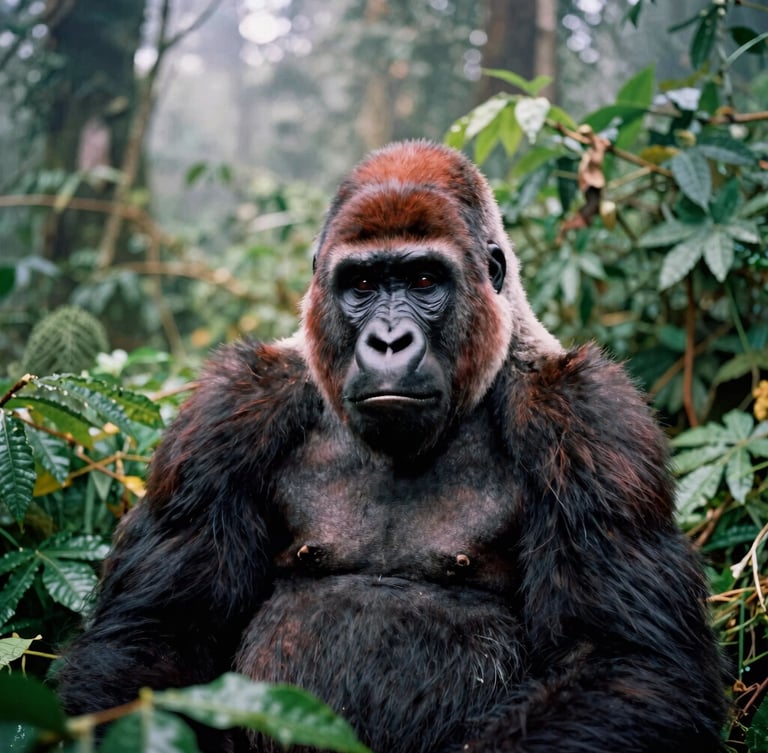
Quiet minutes with the silverbacks
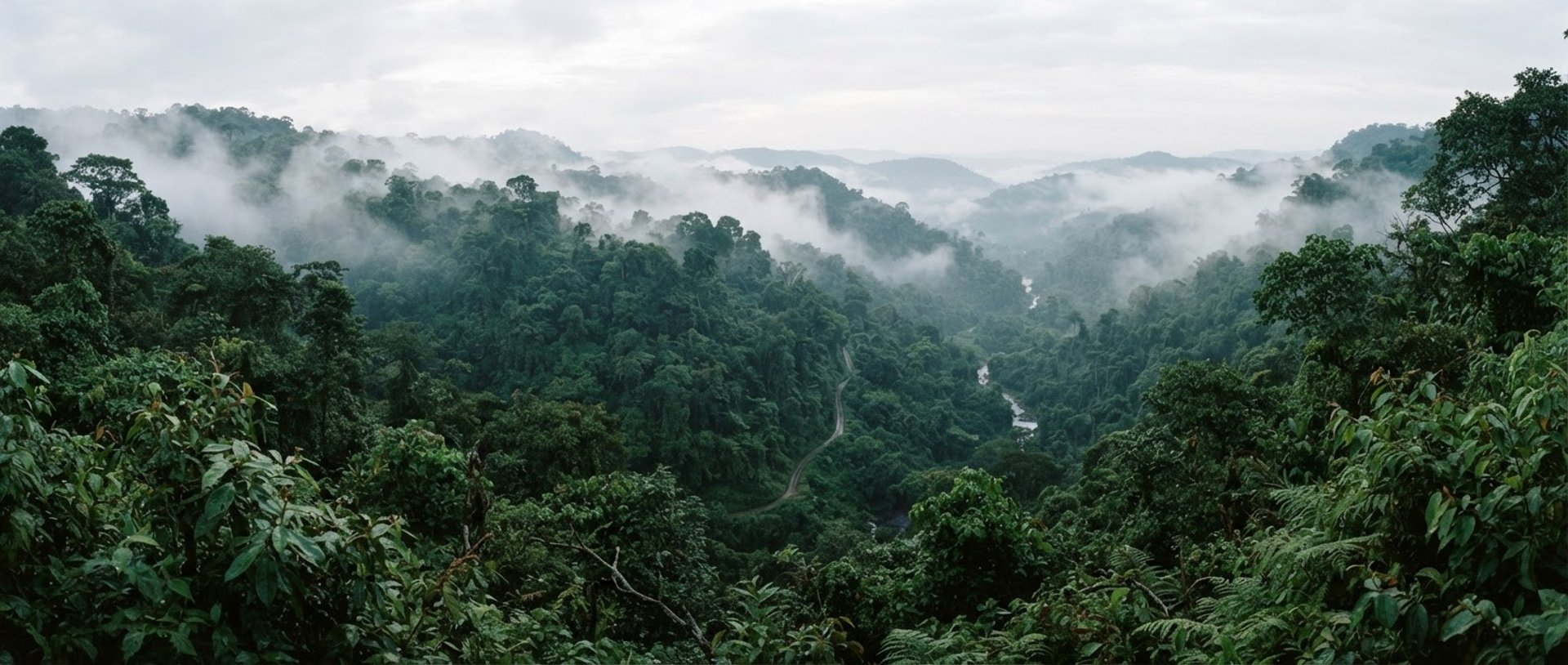
Secure your tracking permits and navigate the mist-shrouded ridges of East Africa under the guidance of native trackers who live in these habitats.
Guaranteed permit procurement
Securing a gorilla tracking permit requires navigating strict regulatory frameworks in Uganda and Rwanda. We manage the entire administrative process directly with the wildlife authorities, ensuring your passes are secured months in advance.
Our team coordinates every logistical link, from private 4x4 transfers to choosing the optimal trailhead based on your physical fitness and the movements of the habituated families.
Low-impact tracking protocols
The Pre-Trek Briefing
Navigating the Canopy
The Quiet Hour
Gather at the park headquarters at dawn to review safety rules, distance requirements, and assign your tracking group to a specific habituated family.
Follow native trackers through dense undergrowth. Maintain quiet voices and step lightly to minimize disruption to the forest ecosystem.
Once with the family, spend exactly sixty minutes observing from a respectful distance of seven meters, keeping movements deliberate and calm.
Essential tracking details
Preparing for a trek involves understanding physical demands and seasonal shifts. Our local experts are ready to customize your itinerary.
What is the age limit?
How physically demanding is it?
When is the best time to go?
The minimum age for gorilla tracking in both Uganda and Rwanda is fifteen years, strictly enforced by national park authorities.
Treks can last from two to eight hours depending on gorilla movements. We select trailheads that match your mobility level.
The dry seasons from June to August and December to February offer easier hiking conditions, though tracking runs year-round.
Rwizi Africa Expedition
Locally-led expeditions across mist-shrouded ridges.
Home-Expeditions-Our Impact-Plan Your Safari-Contact
Reach out
info@rwiziafrica.com
+256 772 123456
Plot 12, Kampala Road, Uganda
Mon - Sat: 8:00 AM - 6:00 PM EAT
© 2026 Rwizi Africa Expedition-Registered Uganda Tour Operator. Licensed by UTB.
Locally-led conservation